
Favorite Window Soundproofing Solutions for Better Quietness
Select from trusted products that effectively dampen external noise and enhance your home's tranquility.
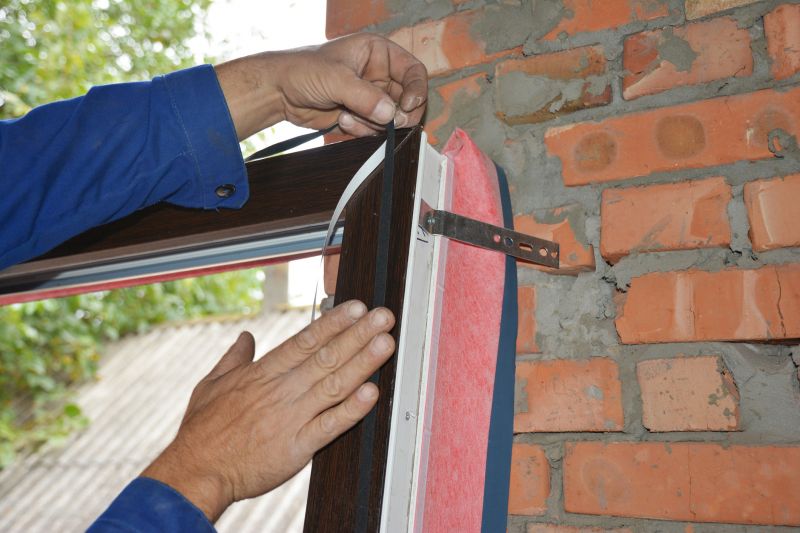 Window soundproofing products encompass a wide variety of solutions designed to reduce noise transmission through windows. These products are often used in residential, commercial, or studio environments where minimizing external noise is desired. They can be made from different materials such as foam, acrylic, vinyl, or specialized fabrics, each offering unique acoustic properties. Proper selection depends on the specific noise levels, window types, and aesthetic preferences.
Top Overall Option
Acoustic Window Inserts
Acoustic window inserts are designed to be installed over existing windows, creating an additional barrier against noise. They are typically made from acrylic or polycarbonate materials that offer high clarity and durability. These inserts can significantly reduce sound transmission when properly fitted, making them a versatile choice for various environments. Easy to install and remove, they provide a non-permanent solution that can be tailored to different window sizes and shapes.
Types of Products For Window Soundproofings
Acoustic Window Inserts
Removable panels made from acrylic or polycarbonate for enhanced soundproofing.
Secondary Glazing Panels
Additional glass or acrylic panes installed inside or outside existing windows for noise reduction.
Soundproof Curtains
Heavy, dense curtains designed to block or absorb sound waves around windows.
Window Seal Kits
Sealing strips and weatherstripping to close gaps and prevent noise leaks around window frames.
Acoustic Window Films
Specialized films applied directly to glass to dampen sound transmission.
Soundproof Blinds
Blinds constructed with sound-absorbing materials for added noise control.
Mass Loaded Vinyl Barriers
Heavy, flexible material applied to windows or walls to block sound waves.
Acoustic Caulks and Sealants
Specialized sealants used to fill cracks and gaps for improved sound insulation.
Window Inserts with Magnetic Mounts
Magnetic-mounted panels that can be easily installed and removed for soundproofing.
Removable Window Panels
Lightweight panels that can be placed over windows temporarily for noise reduction.
Acoustic Foam Panels
Foam panels designed for walls but also adaptable for window applications to absorb sound.
Double Glazed Windows
Windows with two panes of glass separated by a space to reduce noise transmission.
Window Plug Kits
Customizable inserts that fill the window opening for soundproofing when needed.
Soundproof Window Screens
Screens made from sound-absorbing materials that can be placed over windows.
Acoustic Shrink Film
Plastic film that tightens over windows to dampen sound and improve insulation.
Popular Choices
A favored solution for many seeking to enhance soundproofing with minimal alteration to existing windows.
Often chosen for their ease of installation and effective noise reduction capabilities.
Commonly used in bedrooms and studios for their ease of use and substantial sound absorption.
Popular for sealing gaps around windows to prevent noise leaks and improve overall insulation.
Selected for their non-invasive application and ability to dampen sound transmission.
Valued for their easy installation and removal, making them a flexible option for many users.
Frequently chosen for permanent upgrades to improve noise insulation and energy efficiency.
Popular for temporary noise reduction, especially in rental or short-term situations.
A common choice for those seeking a combination of light control and noise reduction.
Often used in professional soundproofing setups for their high mass and effective blocking properties.
Widely used for sealing gaps and cracks around windows to enhance sound insulation.
Chosen for their affordability and ease of application to improve sound dampening.
In addition to traditional window inserts, there are also secondary glazing options that involve adding an extra pane of glass or acrylic to existing windows. These can be installed temporarily or permanently and often provide significant sound reduction without requiring complete window replacement. Acoustic curtains and soundproof blinds are another popular choice, offering flexibility and ease of use, especially in spaces where windows are frequently opened.
For those seeking a more comprehensive approach, sealing gaps and cracks around windows with weatherstripping or acoustic caulks can enhance the effectiveness of soundproofing efforts. Combining multiple products, such as sealing and adding window inserts, can further improve noise reduction. When choosing soundproofing solutions, it is important to consider factors such as the level of noise reduction needed, ease of installation, and compatibility with existing window structures.
Overall, the goal of window soundproofing products is to create a quieter indoor environment by minimizing external noise intrusion. While no product can eliminate noise entirely, selecting the right combination of solutions can significantly improve comfort and acoustic privacy. It is advisable to assess specific needs and consult product specifications to determine the most suitable options for your space.
Key Buying Considerations
- Determine the level of noise reduction needed based on your environment.
- Consider whether a temporary or permanent solution is more suitable for your situation.
- Assess the compatibility of the product with your existing window type and size.
- Review installation requirements and whether professional help is needed.
- Evaluate the ease of removal or adjustment if flexibility is important.
- Check for transparency or aesthetic preferences, especially if the window view is important.
- Look into the material's durability and maintenance needs over time.
- Compare the cost-effectiveness of different solutions relative to their noise reduction capabilities.
- Consider the potential impact on natural light and ventilation.
- Read customer reviews to gauge real-world performance and satisfaction.
- Verify if the product is suitable for the specific noise frequencies you are targeting.
- Ensure the product complies with safety standards and is non-toxic if applicable.
- Evaluate the ease of cleaning and long-term usability.
- Check for compatibility with other soundproofing measures you may already have in place.
- Determine if additional accessories, such as sealants or mounting hardware, are required.
This content contains affiliate links and we may earn a commission at no additional cost to you.